Play Therapy for Anxious Kids in Plano, TX
Helping anxious children find calm, one session of play at a time.
Session Length:
Investment:
Locations
Insurance Accepted
Is This Your Child?
Maybe bedtime has turned into a nightly negotiation. Maybe your child worries about things most kids their age don't think twice about, a bad grade, a friend being upset with them, something happening to you. Maybe stomachaches show up right before school, or meltdowns come out of nowhere and leave you both exhausted. If you're constantly reassuring your child and it never seems to be enough, you're not imagining it, and you're not doing anything wrong. Anxious kids need more than reassurance. They need a way to actually process what's going on inside them, and most young children don't have the words for that yet.
What This Often Looks Like
Anxiety in young children rarely looks like "worry." It looks like:
- Clinginess or trouble separating from a parent
- Physical complaints, stomachaches, headaches, especially before school or transitions
- Big emotional outbursts that seem to come from nowhere
- Perfectionism or a strong fear of getting things wrong
- Trouble sleeping alone or frequent nightmares
Kids feel this in their bodies long before they can explain it in words. That's part of why talk-only approaches often fall short with younger children.
How We Work Together
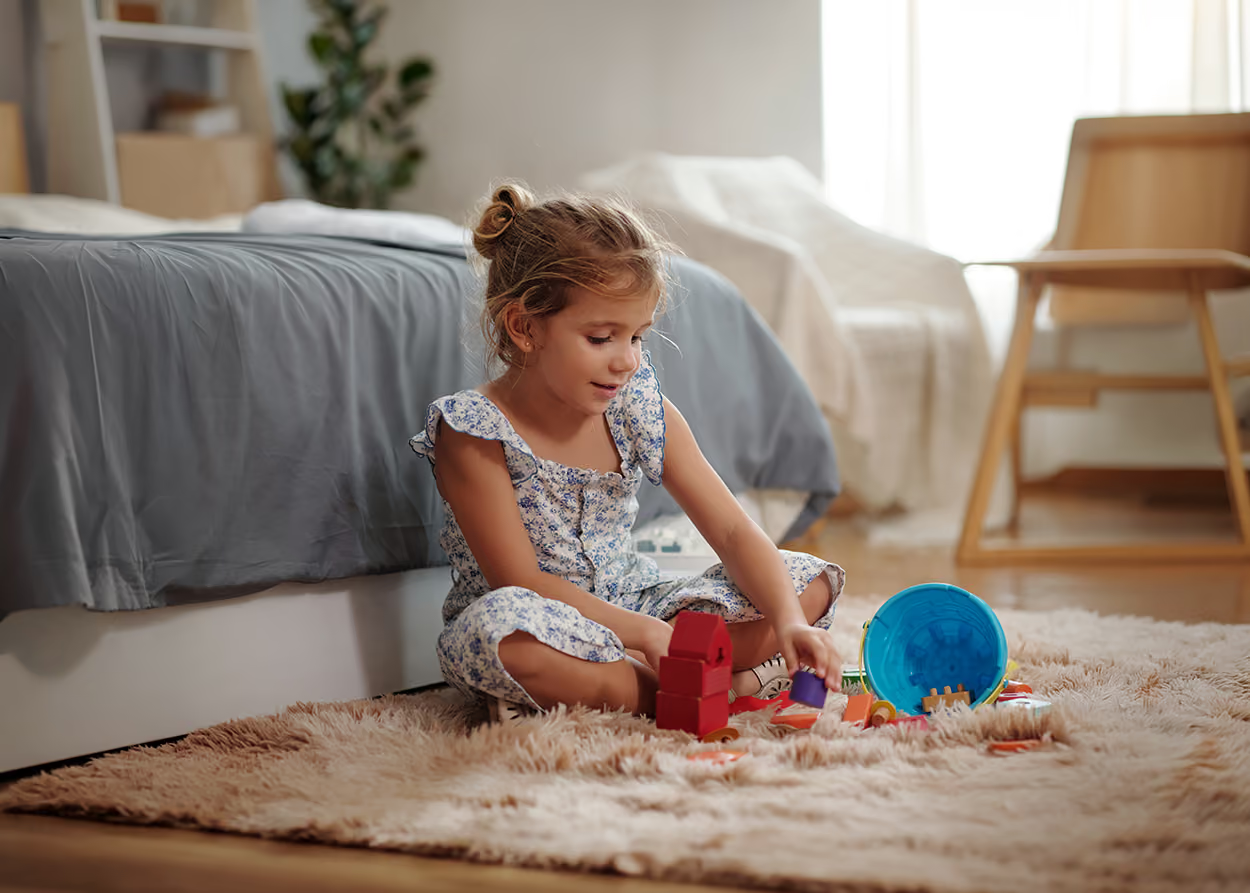
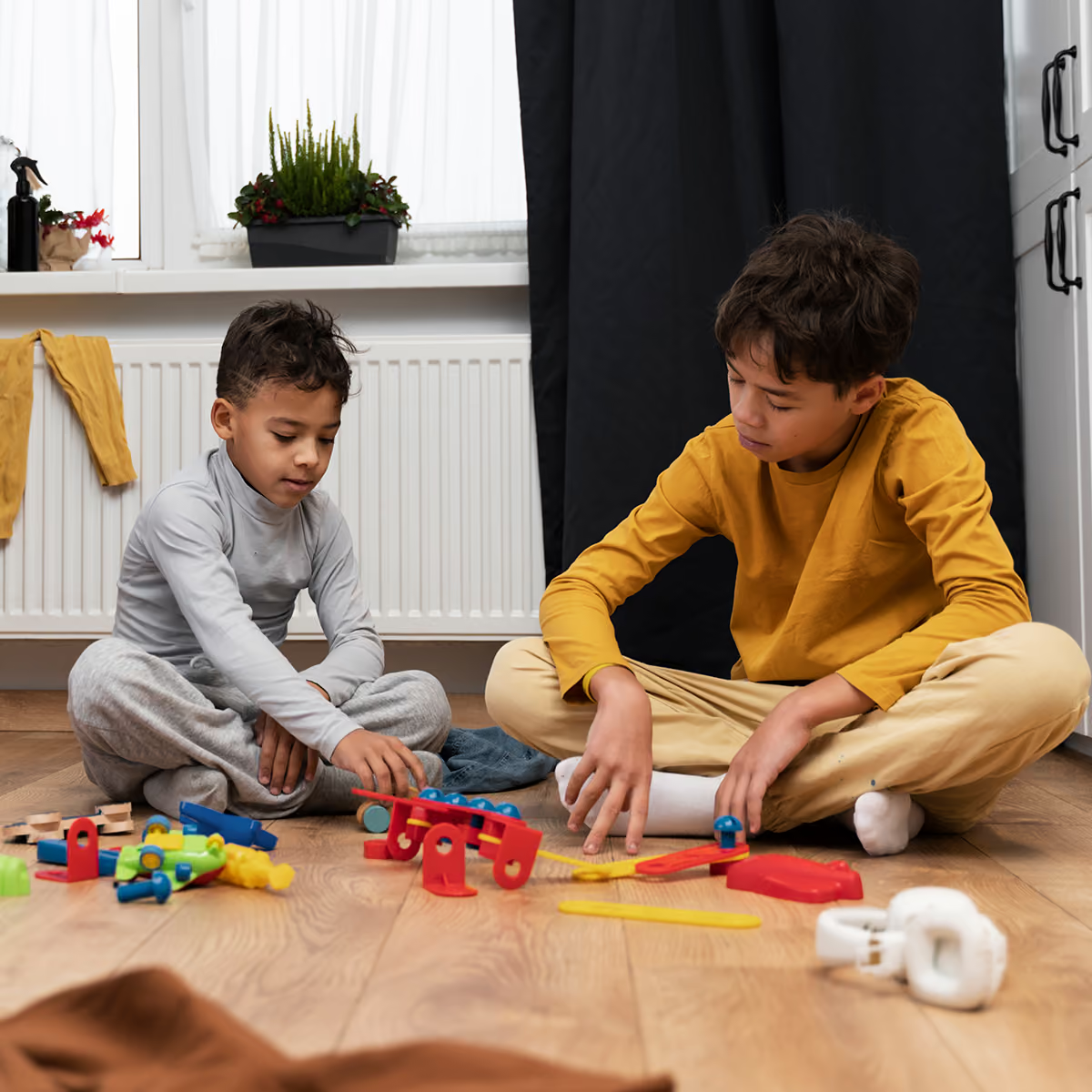
Play is a child's first language. Long before kids can say "I'm anxious," they show it, through the games they play, the stories they act out, the way they use the toys in the room. In our sessions, I follow your child's lead and use play to help them express what's underneath the anxiety, then gently help them build the words and coping tools to manage it. My approach is attachment based, which means I also pay close attention to your child's relationships, with you, with me, with the world around them, because a felt sense of safety is often what anxiety is missing. I'll also meet with you regularly so you're never left guessing what's happening in session or how to support your child at home.
What You Can Expect
Sessions are relaxed and child led, not clinical or intimidating. Over time, many parents notice their child:
- Has fewer or shorter meltdowns
- Can name feelings instead of just acting them out
- Separates more easily at school or bedtime
- Seems lighter, more like themselves
Change with young children tends to happen gradually, not overnight, and that's okay. We go at your child's pace.
Getting Started
- Step 1: Free Consultation. We'll talk about what you're noticing in your child and see if this feels like a fit.
- Step 2: Parent Intake Session. I meet with you first to understand your child's history and what's bringing up the anxiety.
- Step 3: Ongoing Play Therapy. Regular sessions where your child works through what's underneath the worry, at their pace.
Taking the First Step
Reaching out for your child isn't overreacting. It's one of the most caring things you can do. If you're not sure play therapy is the right fit yet, that's exactly what the free consultation is for.
Related Services

Play Therapy
- Kids ages 3+
- Anxious or defiant kids
- Parents seeking help
Common Questions
A few things people usually want to know before reaching out. If you don't see your question here, feel free to ask during your free consultation.
Is play therapy really effective for anxiety, or is it just playing?
Play is how children naturally process emotions long before they have the words for them. Through play, I help your child work through what's underneath the anxiety, not just distract from it, so the changes tend to stick.
What age range is play therapy appropriate for?
I work with children ages 3 and up. Play therapy is especially effective for younger kids who don't yet have the verbal skills to fully explain what they're feeling.
Will I be involved in my child's therapy?
Yes. I meet with parents regularly to share what I'm noticing and give you practical ways to support your child at home. You're a key part of the process, not just a bystander.
How long does play therapy usually take?
Every child is different, but many families start noticing small shifts within the first several sessions. We'll check in regularly on progress and adjust as needed.
My child seems fine most of the time. Is it still worth coming in?
Often, yes. Anxious kids can be great at masking during the day and unraveling at home. If something feels off to you as a parent, that instinct is worth listening to.
Start Healing Today
Find Real Relief
Help Kids Thrive
Ready for genuine understanding for yourself or your child?